| PUE reading | What it indicates | Planning use |
|---|---|---|
| 1.0 | All energy flows into the IT infrastructure | The reference point. Every reading above it is overhead from cooling, lighting and the building. |
| 1.4-1.6 | Where most modern data centers hover | Treat this as the typical modern band. A result below it is a stronger claim, and one above it deserves a question about cooling. |
| 1.63 | Average for data centers in Germany, 2020 | A national average to compare a host against, not a target. |
| 2.0 | Cooling, lighting and the facility need as much power as the IT equipment | Signals heavy overhead. Ask what drives it before relying on the site for efficiency claims. |
Figures come from AlgorithmWatch’s overview of data center efficiency metrics and Data Center Asia’s guide to PUE.
What is PUE in data centers? Power usage effectiveness is the ratio of total facility energy to IT equipment energy, so a lower figure means less power is spent on cooling and other overhead.
PUE is one lens on the physical side of hosting. For the wider picture of power, cooling and facility design, see how data centers work.
Reading PUE when choosing a host
PUE is one of the most widely used efficiency metrics, according to AlgorithmWatch. It is useful as a screening number for data center energy efficiency, provided you know what a given figure can and cannot tell you.
- Use the typical band as a yardstick. Data Center Asia says most modern data centers hover around 1.4-1.6. A host reporting a value inside that band is ordinary. A value below it is better than typical, and one above it suggests overhead worth questioning.
- Allow for the wide spread. Submer puts the typical value between 1.2 and 2.5. Two facilities can both sit inside that range and still differ greatly in how much energy they waste.
- Expect older sites to score worse. Older facilities often score higher because of inefficiencies, while newer facilities tend to have more efficient, modern equipment. If a provider runs legacy buildings, ask for a current reading rather than a design figure.
- Connect the number to cost and impact with care. A low PUE indicates efficient energy use, which in turn points to lower operating cost and environmental impact. It does not set what you pay for hosting, and it says nothing about the carbon behind the electricity.
- Use national averages as context only. Data centers in Germany averaged 1.63 in 2020. That shows where an average sits, not where a good facility should land.
A low reading is therefore a helpful signal for efficiency, but it cannot support a broader environmental claim by itself.
Limits of PUE as a green claim
A low PUE does not make hosting green. PUE compares facility energy with IT energy, so it measures how little is lost around the servers. It does not record how the electricity was generated.
A facility with a modest PUE running on a fossil-heavy grid and a facility with a similar PUE on renewable supply look identical in this ratio.

The metric has a second blind spot. Submer notes that PUE does not add the positive effect of reusing heat, so a site that sends its waste heat elsewhere gets no credit for it.
What to ask for alongside PUE
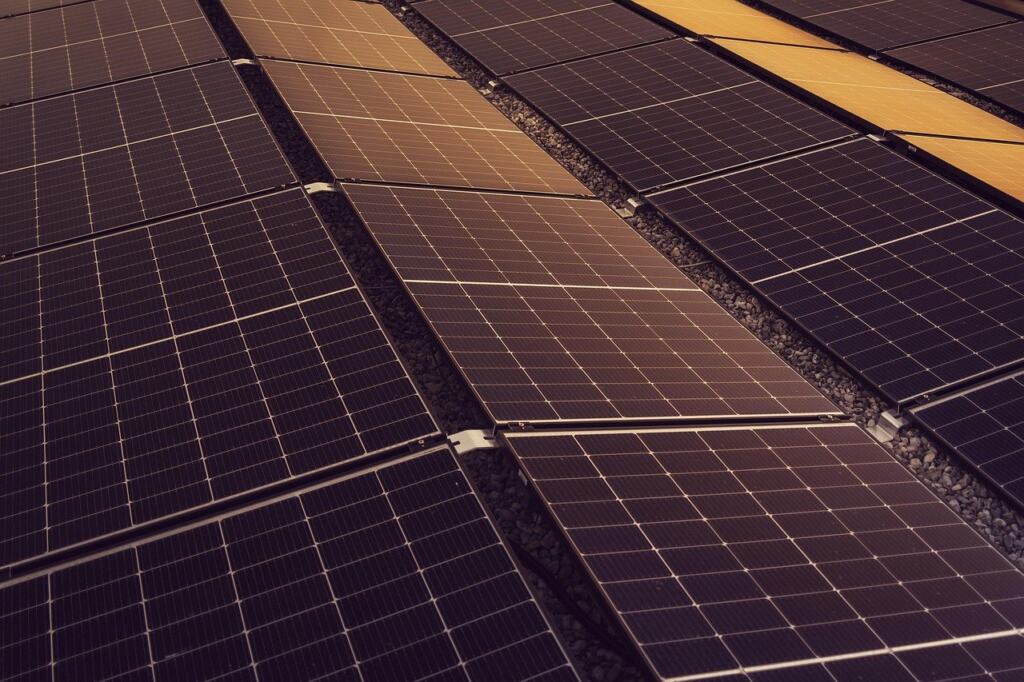
Green hosting claims rest on the supply side. Data Center Asia describes two routes: installing renewable infrastructure on site, such as solar or wind, and partnering with green energy providers to source electricity from renewable resources.
- On-site generation. This reduces reliance on non-renewable sources directly, though what a given roof or site can supply varies by facility.
- Green power purchasing. Renewable supply contracts source electricity from renewable resources. Ask the host to describe the contract itself.
- Renewable energy certificates. A claim built on certificates is a statement about purchasing, not about efficiency. Treat it as a separate item from PUE and ask which one a green label actually relies on.
The practical test for green data center hosting is to look for a low PUE and a documented renewable supply together. Either one alone is a partial answer.
How PUE is calculated
PUE equals total facility energy divided by IT equipment energy. Data Center Asia writes it as PUE = Total Facility Energy / IT Equipment Energy.
The two inputs
Submer phrases the numerator as the total energy entering the datacenter and the denominator as the energy used by the IT equipment inside it.
- Total facility energy. Everything the site draws, including servers, cooling, lighting and the building itself.
- IT equipment load. The energy used by the computing equipment inside the facility. The rack hardware that makes up this load is covered in server rack sizes explained.
A worked example
Data Center Asia gives a facility with 500 kW of IT load and 200 kW of support load: PUE = (500 + 200) / 500 = 1.4. Read it as overhead on top of every unit of IT energy. Moving the result towards 1.0 means shrinking the support load relative to the IT load.
A PUE of 1 would put all the energy into the infrastructure, and a PUE of 2 would mean cooling, lighting and the facility itself require just as much power as the IT equipment.
Improving PUE
Cooling is the main place to look. Data Center Asia states that cooling can account for up to 40% of a data center’s energy. That is a ceiling on the share for some sites, not a typical figure, but it shows why overhead concentrates there.

- Use free cooling where the climate allows. Naturally cooler external air can cool the facility and cut the load on air conditioning.
- Keep the IT equipment busy. According to Submer, a facility that houses a lot of IT equipment will have a lower PUE, because overhead is spread over a bigger IT load.
- Modernise older equipment. Newer facilities generally run more efficient, modern equipment, and older ones often score higher.
Lower overhead is one facility trait among several. Security and resilience, such as data center ddos protection, are separate questions to put to a host.
Frequently asked questions
Who developed PUE, and how widely is it used?
The Green Grid, a nonprofit consortium, introduced PUE and the related DCiE metric, according to Submer. AlgorithmWatch notes that PUE is among the most common measures of data center efficiency.
Which related metrics did The Green Grid cover?
Its technical forum of 2 March 2011 featured a panel of co-authors on four released metrics: PUE, ERE, DCcE and Partial PUE. Each targets a specific area of data center energy efficiency.
Why should PUE be measured more than once?
Submer advises measuring PUE on a regular basis, across different days and times, rather than relying on one reading. A single snapshot may not represent how the facility runs under varying conditions.
Is a PUE figure enough to call a host green?
No. PUE reflects efficiency around the IT equipment, not the energy source or reuse of heat. Look for a documented renewable supply as well.