
A carrier neutral data center is not owned by any one network provider, so tenants choose their own carriers. Choice still takes work: you order a cross connect and sign your own carrier contract.
The sections below separate what neutrality gives a host from what it leaves to the customer. For the wider facility picture, see how data centers work.
What neutrality does and does not mean
A common assumption is that a neutral building arrives with connectivity included. It does not. According to Datum, a carrier neutral data centre operates entirely independently of any specific network provider. Multiple internet service providers can connect directly. The facility supplies physical space, power, cooling and security, and you choose who provides your connectivity.
The contrast with a single-carrier building is where the commercial value shows up. Volico notes that no single ISP owns or runs a neutral site, so clients get a wide choice of connections. In a single-carrier facility there is usually little or no choice.
| Question | Carrier-neutral facility | Single-carrier facility | Planning use |
|---|---|---|---|
| Who runs the building? | Operates independently of any specific network provider | Tied to one provider | Check ownership before you sign colocation terms. |
| Who picks the carrier? | The tenant, from the carriers present | Usually little or no choice | Neutral suits hosts that want to change suppliers later. |
| Pricing leverage | Providers compete for tenant business, which gives room to negotiate rates, latency and SLAs | Little competitive pressure inside the building | Request quotes from more than one carrier. |
| Failover design | A redundant network with a backup connection is possible | Limited by the single provider | Plan the backup path when you choose the site. |
The comparison draws on the operator descriptions from Datum and Volico.
Myth: neutral means every carrier is available
Neutral means the building is open to multiple providers, not that every provider is present. The useful question is which carriers have actually brought service into the building. Ask for that list before you commit to a colocation contract.
The meet-me room and cross connects
Meet-me room
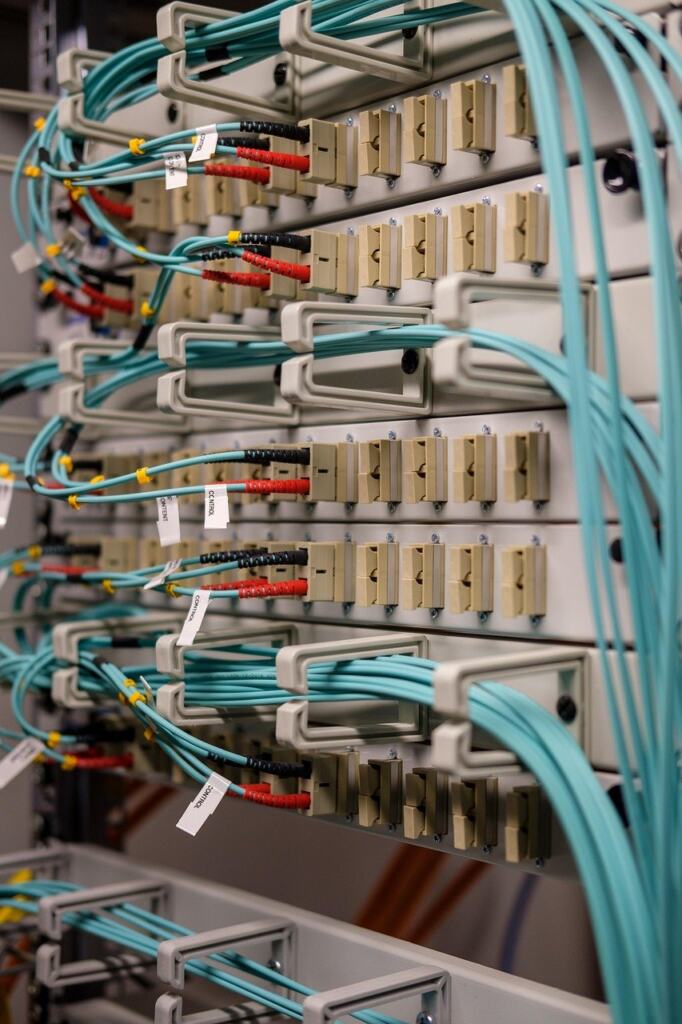
A meet-me room is the physical point where neutrality happens. Netrality describes it as a centralized space within a data center where different telecommunications and service providers physically connect networks. Carriers terminate their fiber there, and tenants reach them through cross connects.
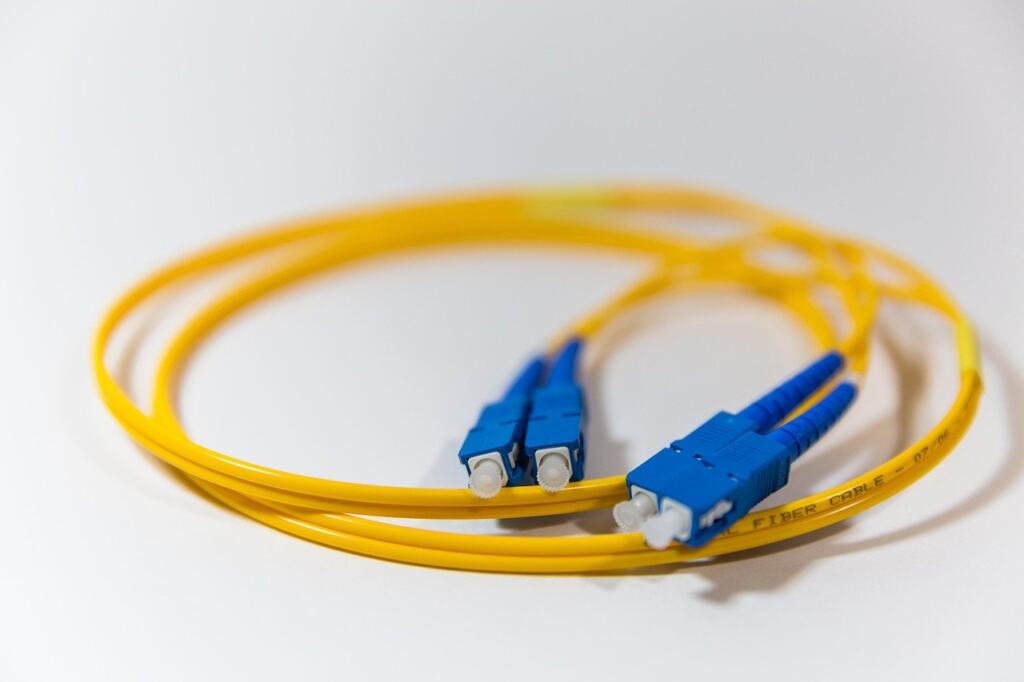
Netrality also pitches built-in fiber redundancy and diverse carrier options in its meet-me room as a way to minimize downtime. That is a design intent and not an uptime figure, so treat it as a question for the operator’s SLA.
Cross connect
A cross connect is the physical link that makes a carrier choice real. HostDime describes it as a fiber or copper link from the ISP or telco to a customer’s server rack. Volico adds that providers often set these up through one cross-connection, which gives dedicated performance. Neither source supplies a latency figure, so do not assume a number.

Think of the cross connect as the cable you are really buying. The carrier supplies the service, the facility supplies the route, and your rack is the endpoint.
Ordering a cross connect
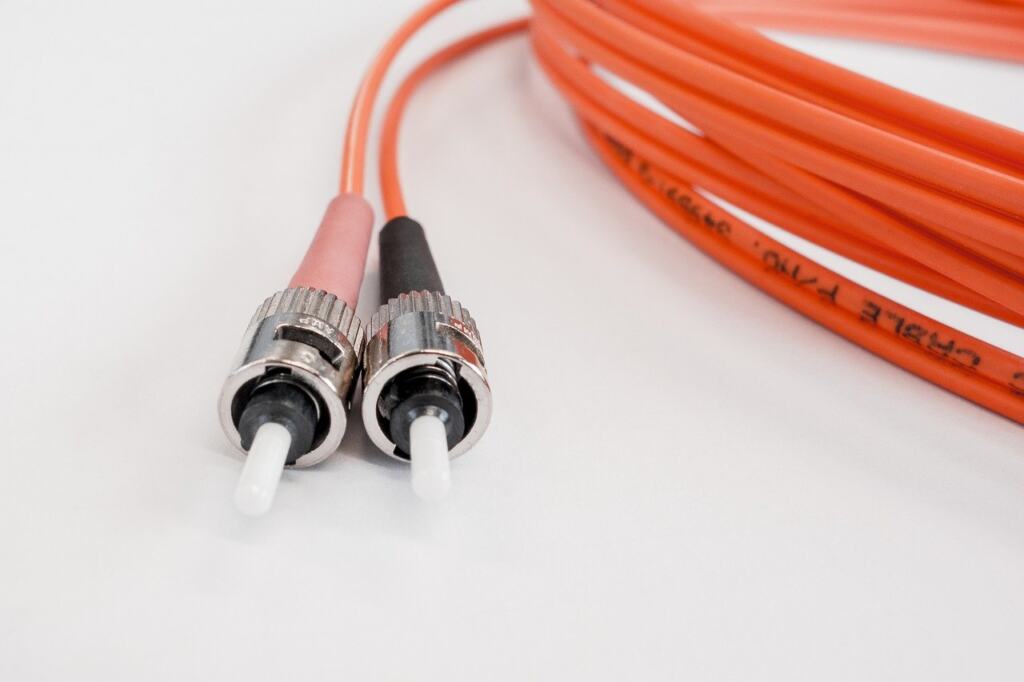
Ordering usually starts with paperwork. HostDime explains that a Letter of Authorization (LOA) gives you permission to run a copper or fiber cross connect to another space, and that the LOA must be on company letterhead. It also names the type of media and the type of fiber, so settle those details with the carrier before you submit it.
Fiber or copper
Cross connects can be copper or fiber, and the LOA records which. Choose fiber or copper according to what the carrier hands off and what your equipment accepts. The trade-offs between the two are covered in data center structured cabling.
Budgeting the pieces
The cross connect is not the whole bill. HostDime states that once your colocation space and cross connect are in place, you need your own contract directly with the provider you choose. Treat the colocation space, the cross connect and the carrier service as separate commitments, and ask each party what it charges. No public price benchmark applies across facilities, so compare written quotes.
Carrier diversity and resilience
How many carriers to use
For key systems, Volico recommends connecting to at least two carriers. That is a floor for critical services, and a facility that offers many carriers does not make one connection sufficient. Datum makes the same point from the design side: in a neutral facility you can build a redundant network that fails over if the primary connection goes down.
A facility’s carrier count is worth reading as a list, not just a total. HostDime’s sample of providers and gateways available to its Orlando colocation clients runs to 13 names, including AT&T, Cogent, Lumen and Zayo. The operator calls it a sampling and not a complete roster. Cogent says it delivers services in 1,788 carrier-neutral data centers as of the page’s fetch date. Large carriers actively build into neutral sites, which is part of why the model works.
Switching carriers
Yes, you can change carriers, within limits. HostDime says you can switch providers while physically staying in the same data center and server space. The limit is paperwork: the new carrier needs its own contract with you and a new cross connect arranged. Neutrality removes the need to move servers, not the need to order.
Carrier choice and attack traffic
Having several carriers is one layer of protection. Filtering hostile traffic is a separate one, covered in data center ddos protection.
Why this matters to a hosting provider
A host sells reliability and price, and both depend on upstream choices. Datum describes a neutral facility as a competitive ecosystem with providers vying for your business, which gives you negotiating power on rates, latency and SLAs. Because switching does not mean relocating, you can change suppliers without moving hardware, though the new carrier still requires a contract and a cross connect.
- Best fit: hosts and businesses that want to compare carriers, add a second path or change suppliers later.
- Weaker fit: a small deployment that only needs whatever connectivity is bundled with the space. A single-carrier building can be simpler, but you accept having little or no carrier choice.
- Before signing: request the carrier list, the meet-me room’s redundancy arrangements and the cross connect media options in writing.
Frequently asked questions
| Question | Answer |
|---|---|
| Can I connect to cloud providers from a neutral facility? | Often, yes. Datum says carrier neutral facilities often host cloud on-ramps, which are direct connections to major public cloud providers. Confirm which clouds a specific site offers. |
| Does meet-me room redundancy guarantee uptime? | No. Netrality describes built-in fiber redundancy and diverse carrier options to minimize downtime, but it states no uptime figure. Your SLA with the facility and your carriers sets any commitment. |
| Does a neutral facility supply my internet service? | No. The operator supplies space, power, cooling and security. Connectivity comes from the carrier you choose under your own contract. |
| What should I compare between neutral facilities? | Compare the actual carriers present, the redundancy of the meet-me room, the cross connect media offered and how orders are handled. Connecting key systems to at least two carriers is the recommendation to design around. |