How are data centers cooled? With four main approaches: air from CRAC or CRAH units, chilled water, liquid cooling at the hottest components, and free cooling when outside conditions allow. Each suits a different heat load and climate.
The sections below compare each method and the setting it suits. For the wider facility around the cooling plant, see how data centers work.
Cooling is a mix of methods, not one system
Cooling is a large share of a data center’s energy use. One vendor reports that 20-40% of energy is used to cool the critical server hardware. That is a vendor-reported range, not a measured figure for every site, but it explains why the cooling method is treated as a core design decision rather than an afterthought.
Most misunderstandings start from treating all cooling as one thing. The table sets the four methods side by side by how each removes heat, what it suits and what to check before choosing it.
| Method | How it removes heat | Best suited to | Planning use |
|---|---|---|---|
| Air cooling with CRAC units | An air-cooled system built on Computer Room Air Conditioning units that monitor temperature and humidity | Rooms cooled by air through CRAC units | The baseline to compare other methods against. |
| Chilled water with CRAH units | Water provides the cooling, with dedicated equipment such as a Computer Room Air Handler | Facilities with a water loop serving the room | Confirm whether the hall depends on water plant as well as room units. |
| Liquid cooling | Liquid has higher thermal conductivity than air, so it moves heat more efficiently; cold plates sit on CPUs and GPUs | Hardware whose hottest components are hard to cool with air | Judge it against the hottest components, not the whole room. |
| Free cooling | Outside air or other natural sources do the cooling | Sites in cold climates | Judge it by local climate and by the months and hours it covers. |
The table’s descriptions draw on a vendor cooling overview and a vendor liquid cooling guide, so confirm any equipment figure against the manufacturer’s documentation.
Three common misunderstandings
- “It is just air conditioning.” Air conditioning is one option among several. Chilled water, liquid cooling and outside air each remove heat differently and suit different sites.
- “CRAC and CRAH are the same box.” They do related jobs in the room but take their cooling from different sources, as the next section explains.
- “Free cooling works anywhere.” It depends on climate and on the months and hours when outside air can do the cooling, covered in its own section below.
- “Liquid cooling is a whole-room upgrade.” The method moves heat away from specific components through liquid, so it is best judged first against the hottest parts of the load.
CRAC and CRAH units in the data hall
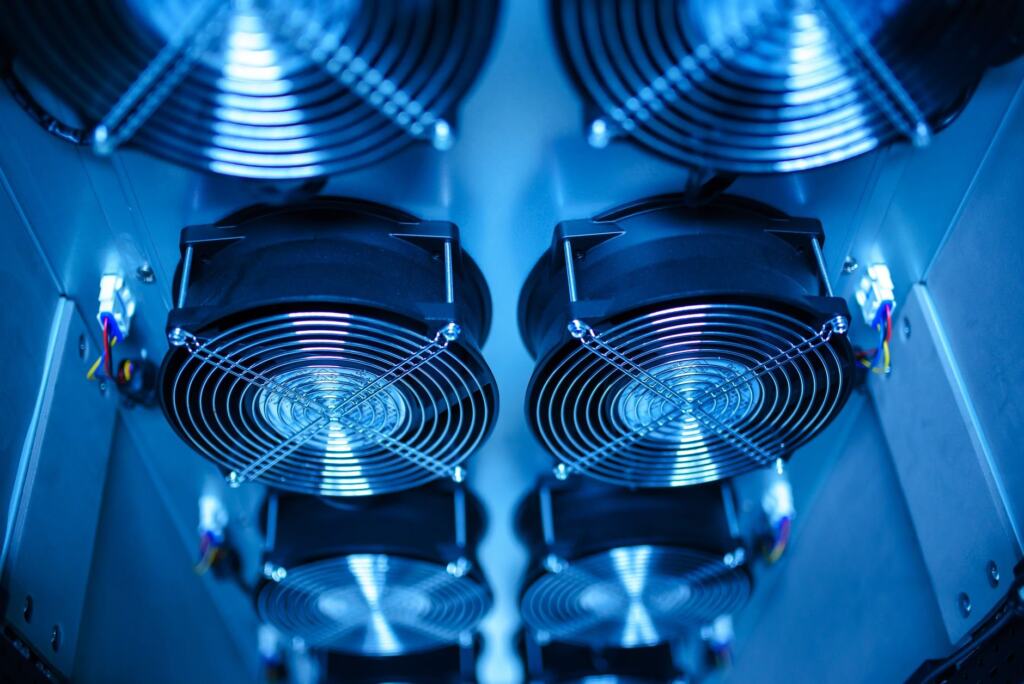
CRAC and CRAH units are the room-level equipment inside the hall itself. The difference lies in the cooling source. A CRAC unit belongs to an air-cooled system built on Computer Room Air Conditioning, and it monitors temperature and humidity levels in the room. A CRAH unit is the dedicated air-handling equipment used with water-based cooling, where water provides the cooling.
In a raised-floor hall, either type can be installed in the chilled space, creating cold aisles under the servers. That placement is why the choice affects the room layout as well as the plant behind it.
Choosing between them
Choose by what the building already has. If the design is air-cooled, CRAC units are the matching hardware. If the facility runs a chilled water loop, CRAH units are the room-side partner. Swapping one for the other is a plant decision, not a like-for-like equipment change.
When you review a facility, ask two questions: which room units it uses, and whether those units depend on water plant outside the room. The answers show what an upgrade or fault would reach beyond the room itself.
Chilled water systems and heat rejection
A chilled water system moves heat through water. CRAH units are the room-side equipment in that arrangement, and the water connects them to the plant that serves the building. If you are weighing a room-only design against one with a water loop, the first question is whether the site can host that outdoor plant at all.
Heat collected in the water still has to leave the building, which is why the outdoor end of the system matters as much as the room end.
The practical implication is that a hall on chilled water depends on equipment outside the room. When comparing facilities, ask what the water plant is, how it is backed up and how it connects to the room units. Power resilience for that plant is a separate topic, covered in data center ups and generator backup.
Liquid cooling for hot processors
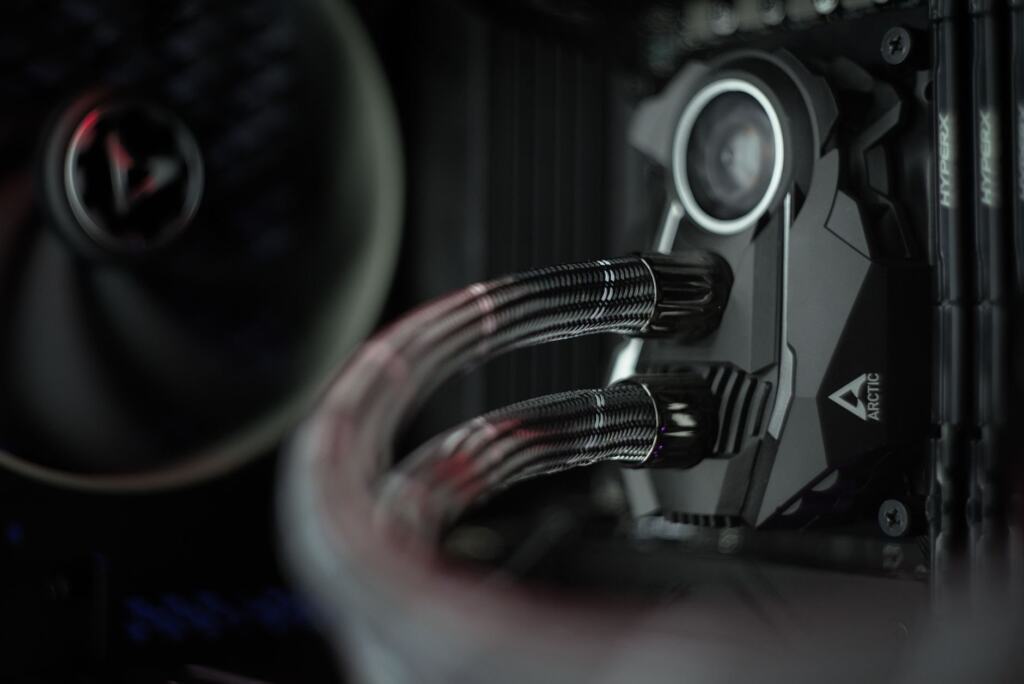
Liquid cooling works because liquid has a higher thermal conductivity than air, so it can move heat much more efficiently. In a direct-to-chip design, cold plates are mounted directly onto CPUs, GPUs and other heat-generating components. Ambient Enterprises’ liquid cooling guide describes that arrangement.
Who it suits
Liquid cooling is a targeted answer for components that produce the most heat, because it removes that heat through liquid rather than air. It fits hardware where air is struggling with a few hot parts. For a room whose heat is modest and spread across many racks, air through CRAC or CRAH units remains the simpler baseline to evaluate first.
Before counting on a liquid loop, check how it would sit alongside the room’s existing air or water systems and which components it serves. The loop is one layer of the design, not a replacement for the whole room.
Free cooling and the climate it needs
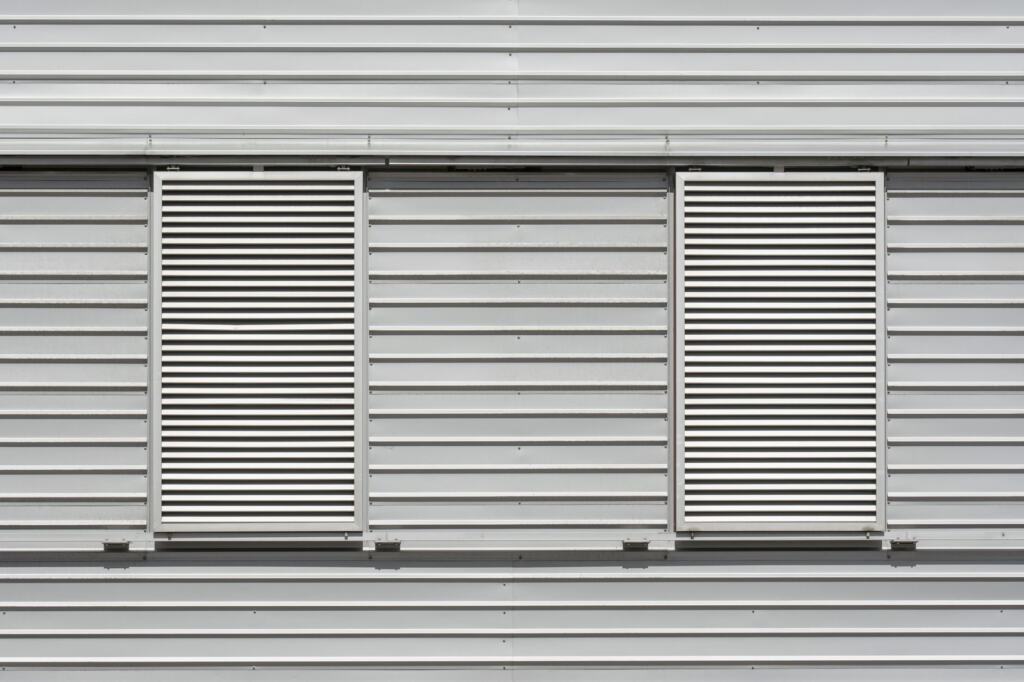
Free cooling uses outside air or other natural sources to do the cooling, instead of relying on mechanical cooling alone. Data centers located in cold climates use outside air or other natural sources for cooling, which makes climate the clearest test for the method.
Timing matters as well as location. Economiser mode is particularly effective during the colder months or at night, so the benefit follows the season and the time of day.
Reading a free cooling claim
When a provider says it uses free cooling, ask which months and hours it covers and what carries the load outside them. A cold region gets the most from outside air across the year. A warmer site gets fewer hours of benefit and must rely on other plant for the rest.
- Ask for the hours. A claim without months and times of day tells you little about the load it actually covers.
- Check the climate first. Cold sites suit the method best, and warm sites should expect outside air to cover fewer hours.
- Plan the fallback. Know which cooling carries the load in warm months and in the hours outside the free window.
Server temperature and ASHRAE guidance
Servers do not run to one fixed temperature. The ASHRAE Thermal Guidelines specify three levels of equipment conditions: reliability, functional and damage. Those levels give a cooling design an operating envelope to work within, rather than a single target.
For planning, read the current ASHRAE guideline for the equipment class you run instead of relying on a summary. Treat the damage level as a limit to stay well clear of, not a target. A cooling plan that aims at the edge of the envelope leaves little margin when outside conditions shift.
Where cooling fits in the wider facility
Cooling sits alongside power and connectivity. The method chosen decides what plant the hall needs and how that plant is kept running, so cooling and backup decisions belong together in a review.
For the network side of the same facility, see how do data centers connect to the internet. Taken together, these choices show what the hall depends on and what it can lose.
Frequently asked questions
| Question | Answer |
|---|---|
| Does free cooling remove the need for mechanical cooling? | Not by itself. Process Sensing notes that DX and chilled water coils are typically sized to provide partial back-up for the overall cooling load. |
| Does direct evaporative free cooling change the air inside the hall? | It can. Process Sensing says it significantly affects the humidity of the air passing into the data center, and its effectiveness depends on ambient humidity and temperature. |
| Is the cooling share of energy the same for every site? | No. The 20-40% range is vendor-reported and should be read as an indication, not a measured value for any particular facility. |