| Feature | What it means | Planning use |
|---|---|---|
| Single tenant | One server for one customer, with exclusive access to CPU, RAM, storage and bandwidth | Choose it for a workload that stays busy, not one that idles most of the time. |
| Root access | Exclusive control over the entire server | Budget administration time, because you configure and patch the machine unless a managed plan does it. |
| Hardware range | Entry configurations start at 32 to 64 GB of RAM; high-end builds reach 1 TB or more | Size the machine to the workload rather than defaulting to the top tier. |
| Network | Link speeds of 10 Gbps are common; transfer allowances vary by provider | Compare port speed and monthly allowance together. |
| Facility | A secure data center with 24/7 monitoring, specialized cooling and redundant power | Resilience of the building is part of the hosting, not something you build. |
Figures above are drawn from MongoDB’s dedicated server overview and Cherry Servers’ dedicated server guide.
What is a dedicated server? It is a physical server reserved for one customer, with no virtualization layer, so its CPU, RAM, storage and bandwidth serve that customer alone. Someone still has to administer it.
For a side-by-side view of shared and single-tenant options, read vps vs dedicated server hosting. For the virtualised alternative, see what is a vps.
Workloads that justify a dedicated server
Dedicated hosting is typically used for work that needs a whole machine’s capacity all the time. MongoDB lists high traffic websites, gaming platforms, machine learning and high performance computing as the usual examples.
Web and game workloads
Large online stores are the clearest web case. SiteGround notes that online stores with high daily traffic need robust hosting, and traffic spikes during sales events make that pressure sharper. Gaming platforms sit in the same group, since they keep many players connected at once.
Compute-heavy work
Servers fitted with GPUs target a different profile. Cherry Servers names AI/ML training and inference, video transcoding, scientific computing and 3D rendering as common workloads. If your project looks like one of these, a dedicated machine lets you choose hardware around the job instead of fitting the job into a slice.
Hosting platforms
Businesses that resell or run hosting also use dedicated machines. Larus points to sustained, busy workloads and hosting platforms as a good match, with the simple test that your workload stays busy.
Who needs a dedicated server
A dedicated server suits teams whose workload is constant, whose rules about data are strict, or whose hardware needs are specific. It is a poor fit for a project that is quiet most of the day and has nobody to look after the machine.
- Busy online businesses. A store or platform with steady high traffic gains from having every resource to itself.
- Regulated organisations. SiteGround observes that finance, healthcare and government must meet strict data protection regulations, which makes a single-customer machine attractive.
- Teams with sysadmin skills. MongoDB cautions that dedicated hosting may require computing experts who can handle unmanaged servers.
- Teams without them. Managed plans suit groups with no in-house sysadmin or DevOps coverage, as the next sections explain.
Control over the hardware
Yes, you get full control of the hardware you rent. InMotion Hosting describes it as a machine where you control 100% of its resources without sharing them with other users.
That control is concrete. The same provider says you can configure BIOS settings and choose RAID configurations for redundancy. On Linux, root access gives the client exclusive control over the entire server, while Windows machines offer the equivalent administrative access, according to MongoDB.
The practical consequence is responsibility. Every setting you can change is a setting you must keep secure, so decide before ordering who will own those tasks.
Typical hardware specs
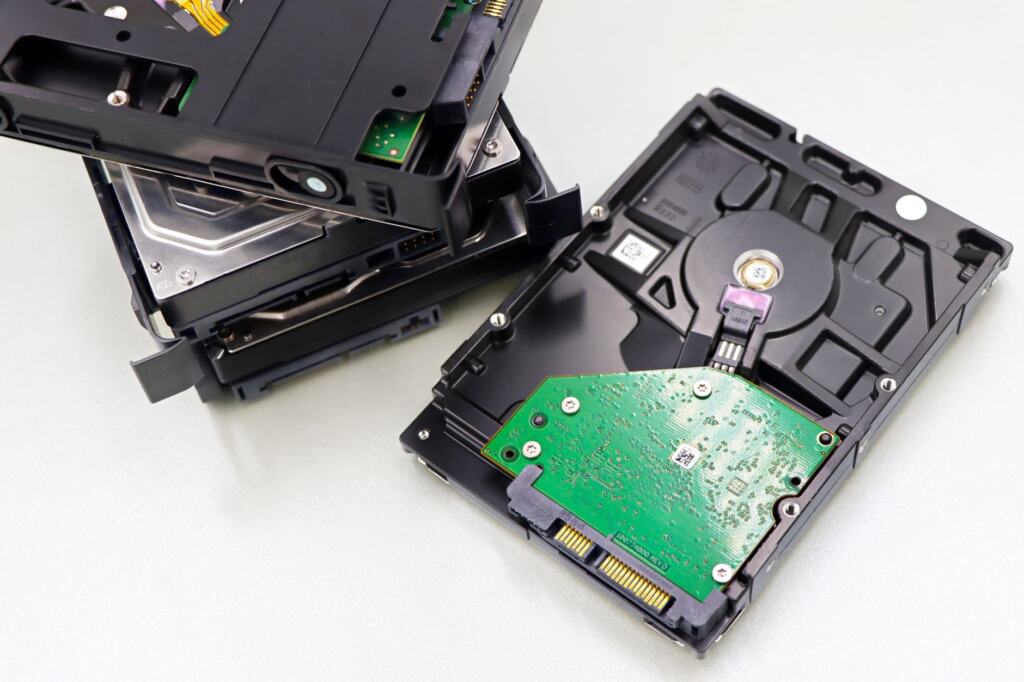
Dedicated server hardware spans a wide range, so the right question is which tier your workload needs. Cherry Servers reports that entry-level configurations start at 32 to 64 GB of RAM, mid-tier servers commonly run 192 to 384 GB, and high-end and AI/ML configurations reach 1 TB or more.
- Processors. AMD EPYC 9005 scales from 8 to 192 cores per socket, so core count is a real design choice rather than a fixed feature.
- Storage capacity. Capacities run from 500 GB on entry-tier configurations to multi-terabyte arrays on the high end.
- Redundancy. RAID 1 and RAID 10 are standard for redundancy, so a single failed disk need not take the server down.
Start from the smallest tier that handles your peak load, then add memory or cores only where the workload shows a need. A larger machine does not fix a configuration problem.
Bandwidth and port speeds
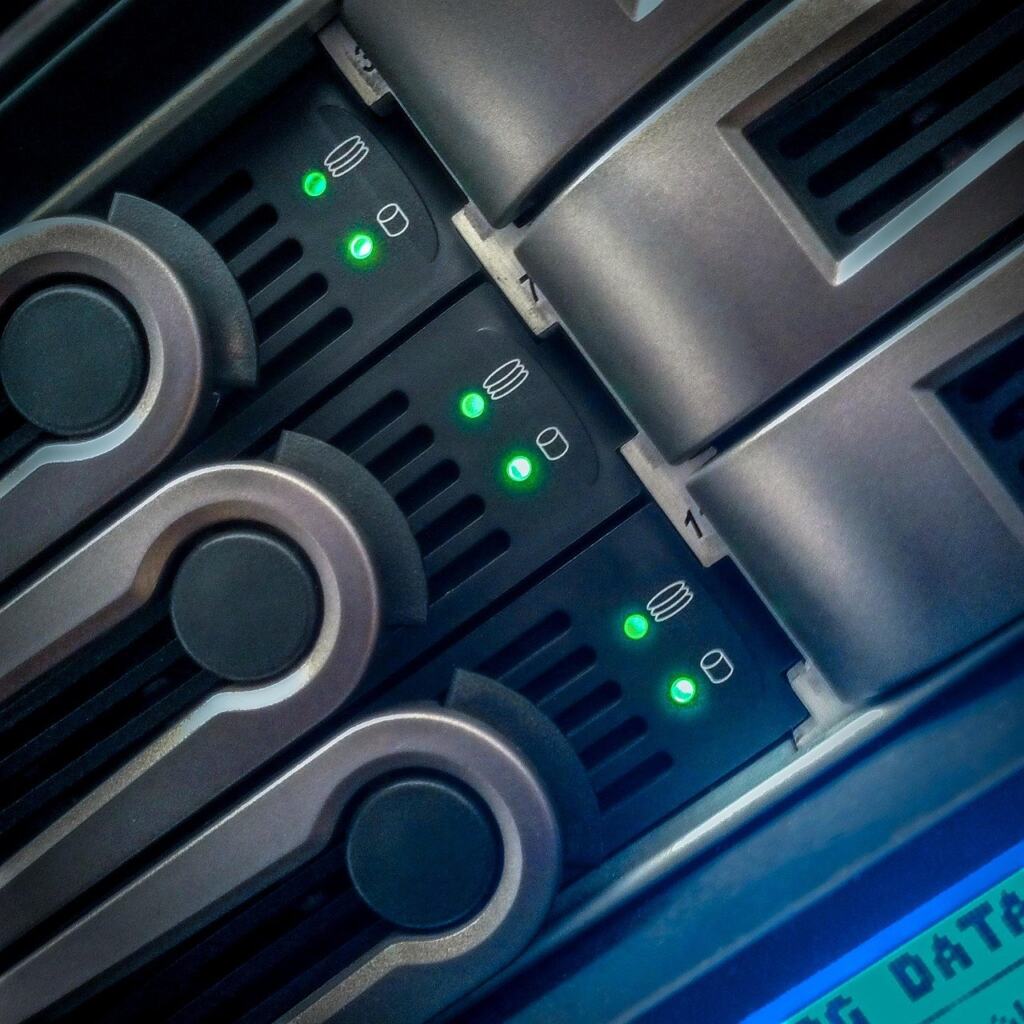
Dedicated servers usually come with fast connections, and the port speed and the monthly allowance are separate numbers. MongoDB says dedicated servers typically offer 1 Gbps or more, and Cherry Servers adds that 10 Gbps links are common on modern machines, with 25 and 100 Gbps available.
Monthly egress allowances vary widely by provider, from 10 TB on lower-tier plans to 100 TB or more on premium tiers. A fast port with a small allowance can still limit a data-heavy service, so read both figures before choosing a plan.
Managed or unmanaged administration
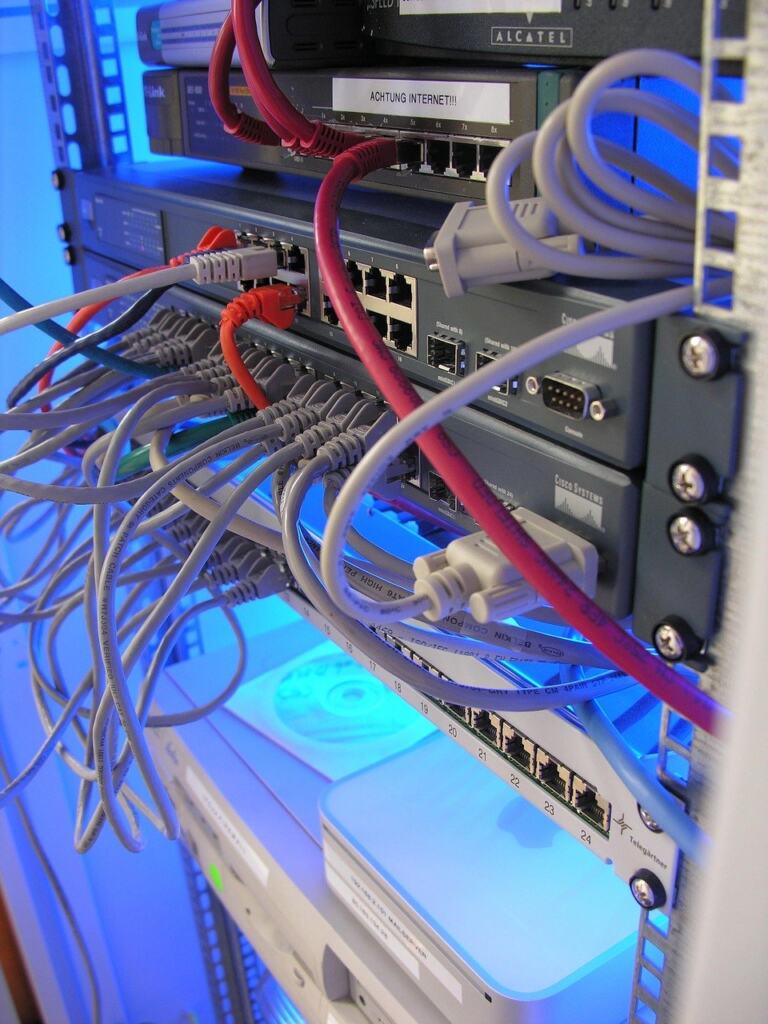
Managed hosting hands routine operations to the provider, while an unmanaged server leaves them with you. Under a managed plan the provider handles OS patches, security monitoring, backups and hardware monitoring, as well as incident response.
That choice matters more than most hardware choices because it decides who gets the call when something breaks. Our guide to managed vs unmanaged vps sets out the same split for virtual servers, and the reasoning carries over to dedicated machines.
Bare metal and the missing hypervisor
A dedicated server is often called bare metal, and the two names describe the same single-tenant arrangement. Larus notes that dedicated hardware is also often called bare metal.
Cherry Servers defines a bare metal server as a physical server running an operating system directly on the hardware, with no hypervisor in between. Nothing sits between your operating system and the processors, memory and disks, which is why all of the machine’s capacity is yours.
Frequently asked questions
How is a dedicated server different from a VPS in one sentence?
A VPS is a private slice created when a hypervisor splits one physical server into isolated virtual machines, while a dedicated server gives you the whole machine with complete hardware isolation.
Where does a dedicated server physically run?
It runs in a secure data center, which MongoDB describes as having 24/7 monitoring, specialized cooling and redundant power.
Do I need technical expertise to run one?
On an unmanaged server, yes, because you handle the administration yourself. Managed plans suit teams without in-house sysadmin or DevOps coverage.