| Criterion | Dedicated server | Cloud server | Planning use |
|---|---|---|---|
| Billing | Fixed monthly pricing, quoted at $100-$1,000+ | Pay-per-use; charged only for resources used | Fixed bills suit flat demand. Metered bills suit demand that rises and falls. |
| Provisioning | Several hours to days for provisioning and setup | Minutes to deploy | Cloud fits launches and tests with short notice. Dedicated needs lead time. |
| Performance consistency | Predictable, with no noisy neighbor effects | Flexible scaling, with occasional variations from multi-tenant virtualization | Latency-sensitive services lean dedicated. |
| Customization | Full hardware and software customization | Limited to the provider’s virtualization layer | Custom hardware or low-level tuning needs single-tenant hardware. |
| Changing capacity | Physical hardware upgrades taking hours to days | RAM, CPU, disk and bandwidth adjustable on demand, without a restart | Unpredictable growth favours cloud. |
Figures come from comparisons published by HostingRaja and CyberPanel, and the price range is indicative rather than a quote.
Dedicated server vs cloud server comes down to workload pattern: choose a dedicated server for steady, high utilisation and predictable performance, and a cloud server for variable demand and quick provisioning, with bare metal cloud as a middle option.
The wider trade-offs between shared and single-tenant plans are covered in this guide to vps vs dedicated server hosting. The sections below sort the decision by situation.
What actually separates the two
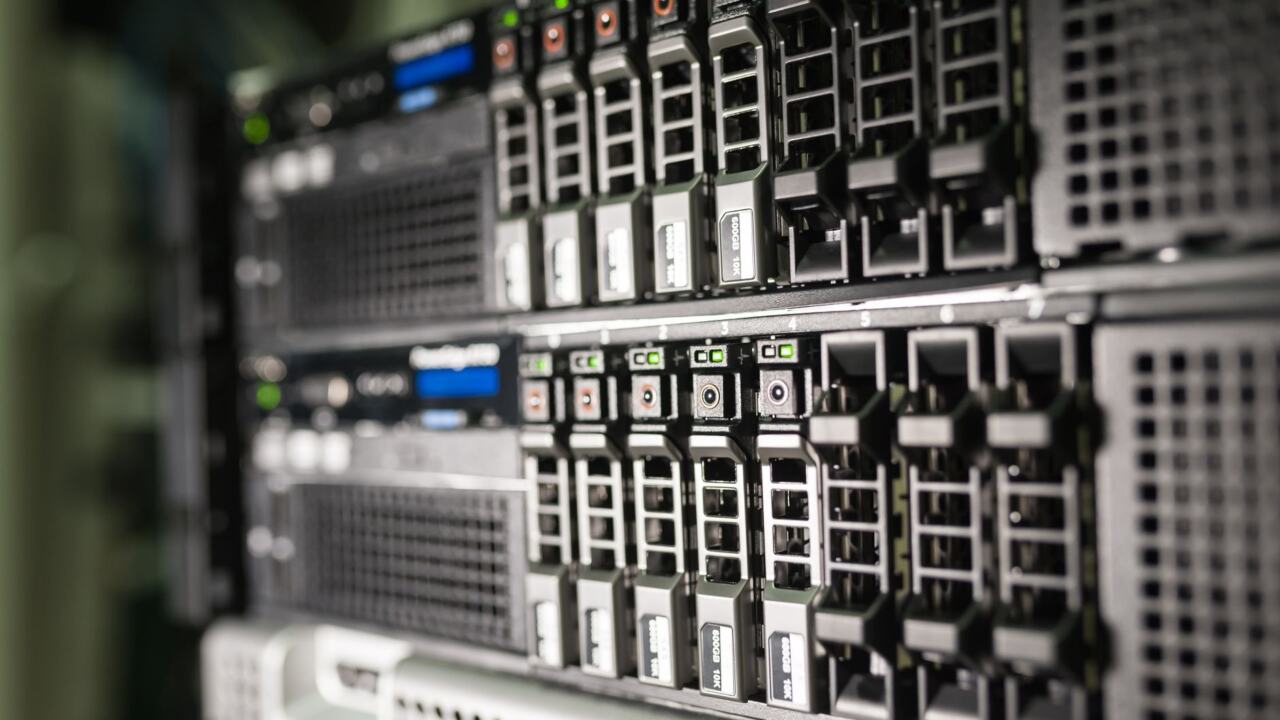
A dedicated server is a physical server exclusively allocated to a single organization or website, according to HostingRaja. A cloud server is a virtualized computing resource that runs within a distributed cloud infrastructure. The difference is tenancy: the dedicated machine gives exclusive hardware access with no resource sharing, while the cloud server is carved out of infrastructure the provider runs.
That arrangement is single tenancy. It also explains why the terms bare metal server and dedicated server are used almost interchangeably. Bare metal describes the same physical machine with no virtualization layer between your software and the hardware.
Cloud workloads do pass through that layer. This is where hypervisor overhead comes from, and it is also why cloud customization is limited to the provider’s virtualization layer. A buyer who needs to choose CPUs, drives or low-level settings should treat this as the deciding point. A buyer who only needs capacity can ignore it.
Smaller projects often need neither option yet. For those, what is a vps used for explains the middle tier, and vps vs dedicated server compares the VPS directly against a dedicated machine.
Steady high load and the cost question
At steady high load, dedicated is usually the cheaper route. HostingRaja puts the total cost of ownership lower for workloads at 70%+ utilization, because a fixed monthly price stops mattering once the hardware is busy most of the time. Arcane Strategies reaches a similar conclusion: over a longer period a dedicated server will have greater cost savings, and constant high input/output demand is where dedicated servers are most likely your best bet.
Cloud narrows the gap when demand is uneven. According to HostingRaja, reserved or spot instances offer 30-50% savings for variable workloads. Those discounts belong to a different pattern from a flat, always-on load, so compare them against your real usage curve rather than against list prices.

- Dedicated suits: databases, storage-heavy services and other always-busy systems where a predictable monthly line item makes budgeting simple.
- Cloud suits: workloads whose utilisation sits well below the point where a fixed contract pays off, because metered billing follows actual use.
- Watch for: utilisation that is only high in bursts. Paying for a dedicated machine that idles most of the day loses the advantage described above.
Variable traffic, launches and fast change
Cloud is the better fit when demand is not constant. HostingRaja calls cloud servers ideal for businesses with variable traffic patterns, and Arcane Strategies notes that if demand is not constant, cloud lets you scale power to match. Pay-as-you-go billing means CyberPanel describes users as charged only for the resources they use, so quiet periods cost less.
Speed matters as much as price here. Cloud instances deploy in minutes, whereas a dedicated server needs several hours to days for provisioning and setup. Changing capacity follows the same pattern. CyberPanel says cloud RAM, CPU, disk and bandwidth can be increased or decreased on demand without restarting the server, while dedicated upgrades involve physical hardware work taking hours to days.

- Choose cloud for: product launches, test environments and seasonal spikes where the next month’s load is hard to predict.
- Accept in return: metered costs that can climb with sustained use, and occasional performance variation from shared virtualization.
- Plan ahead on dedicated: order early, since delivery and upgrades are measured in hours to days rather than minutes.
Performance-sensitive, regulated or customised workloads
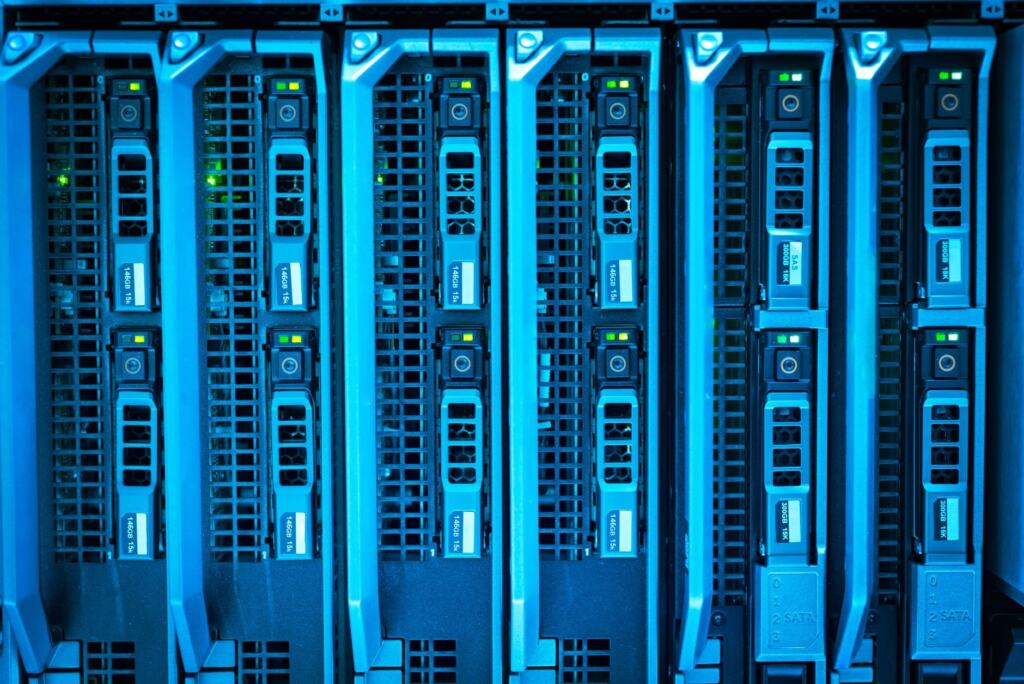
Bare metal is the right choice when consistent performance, control or compliance outweighs elasticity. HostingRaja says organizations requiring maximum performance, data sovereignty and regulatory compliance often choose dedicated hosting, and it lists physical isolation with complete security control and full hardware and software customization among the benefits.
The performance argument rests on noisy neighbours. In a multi-tenant cloud, other customers’ workloads share the underlying hosts, which HostingRaja links to occasional performance variations. A dedicated server delivers predictable performance without noisy neighbor effects, and no hypervisor sits between the application and the hardware. Workloads where a latency spike is costly, or where constant high I/O is normal, are the clearest cases for bare metal.
- Bare metal fits: sustained high I/O, strict isolation requirements and software that needs hardware-level tuning.
- Cloud still fits: applications that tolerate small performance swings and value quick scaling more than exclusive hardware.
Bare metal cloud as the middle ground
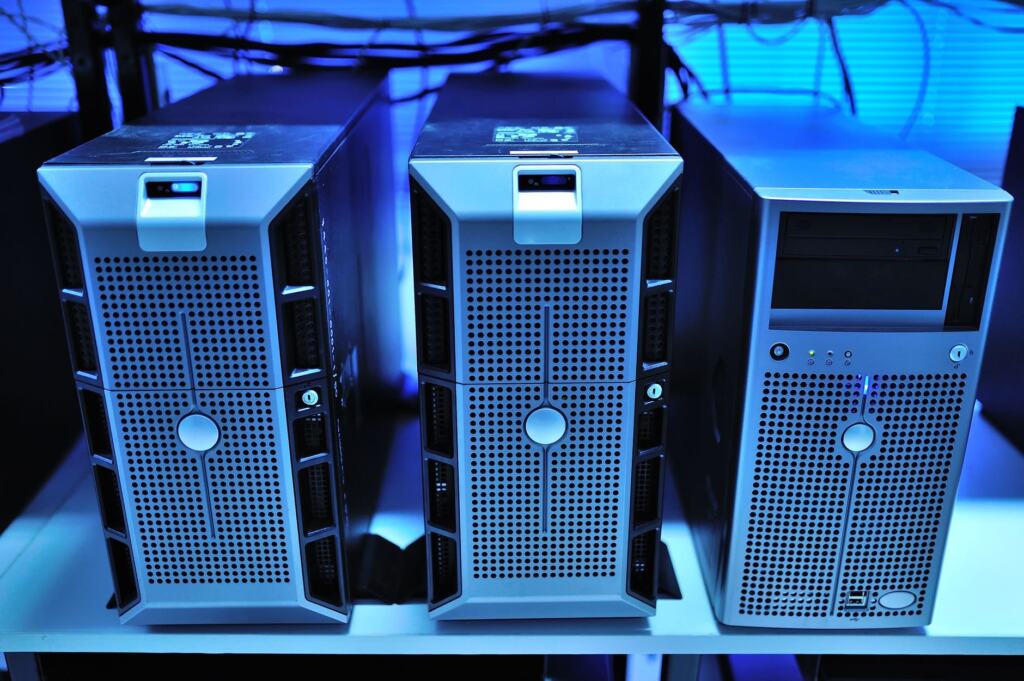
Bare metal cloud servers combine single-tenant hardware with the ordering style of a cloud provider. HostingRaja notes that cloud platforms in 2026 offer bare-metal instances, alongside GPU acceleration, FPGA support and CPU pinning. That makes them a sensible option for teams who want hardware without a shared host but do not want to run their own procurement.
Billing and delivery terms differ between providers, so check the plan page for how a bare metal instance is charged and how long it takes to appear. Treat it as a way to reduce the trade-off, not remove it. If the load is steady and flat, a conventional dedicated contract remains the simpler comparison point.
Choosing by workload pattern
Start with the shape of demand. Flat, heavy and long-lived work points to dedicated or bare metal. Spiky, uncertain or short-lived work points to cloud. Workloads with different shapes can be placed differently, so a stable core system and an experimental front end need not live on the same type of server.
Frequently asked questions
Is a bare metal server the same as a dedicated server?
In practice, yes. Both describe a physical machine allocated to a single customer, with no virtualization layer shared with others. Bare metal cloud differs mainly in how the same kind of hardware is offered through a cloud platform.
Do dedicated servers charge bandwidth overages?
HostingRaja states there are no bandwidth overages or API call charges on dedicated servers. Cloud pricing is usage-based, so traffic-heavy workloads should read the bandwidth line items before committing. Details are on the comparison page.
Can cloud hosting cost more than owning a server?
Yes. Sysgen notes that cloud solutions can be more expensive than an in-house server for some enterprises, since cloud leverages a usage-based pricing structure while physical servers require buying capacity outright.